Calgary Homeowner Article
Decorative Rock Installation in Calgary: Weed Barrier, Re-Leveling & Rock Bed Repair Guide
Decorative rock can create a cleaner, lower-maintenance yard finish, but the result depends on the preparation: removing sod or old gravel where needed, preparing and leveling the surface, installing weed barrier where appropriate, placing rock, and correcting settled or uneven areas.
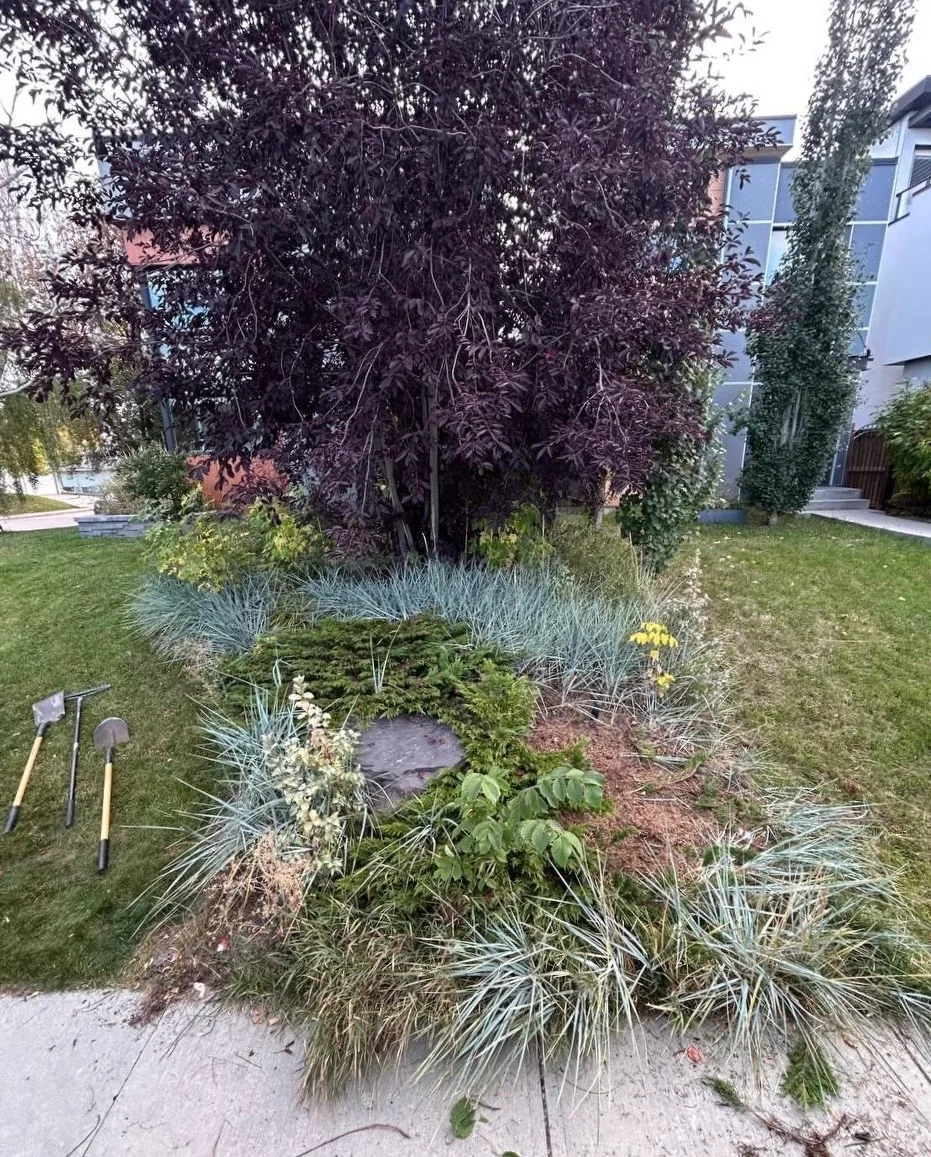
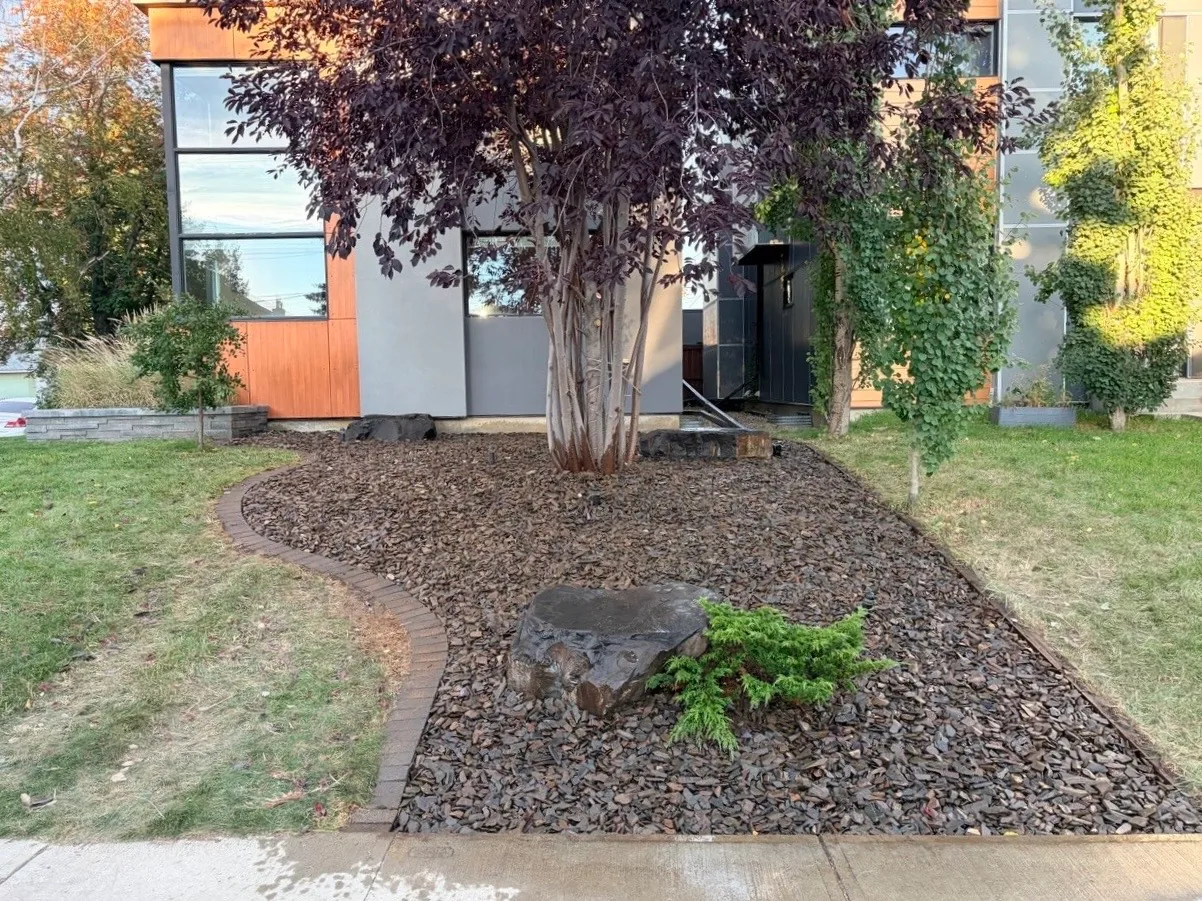
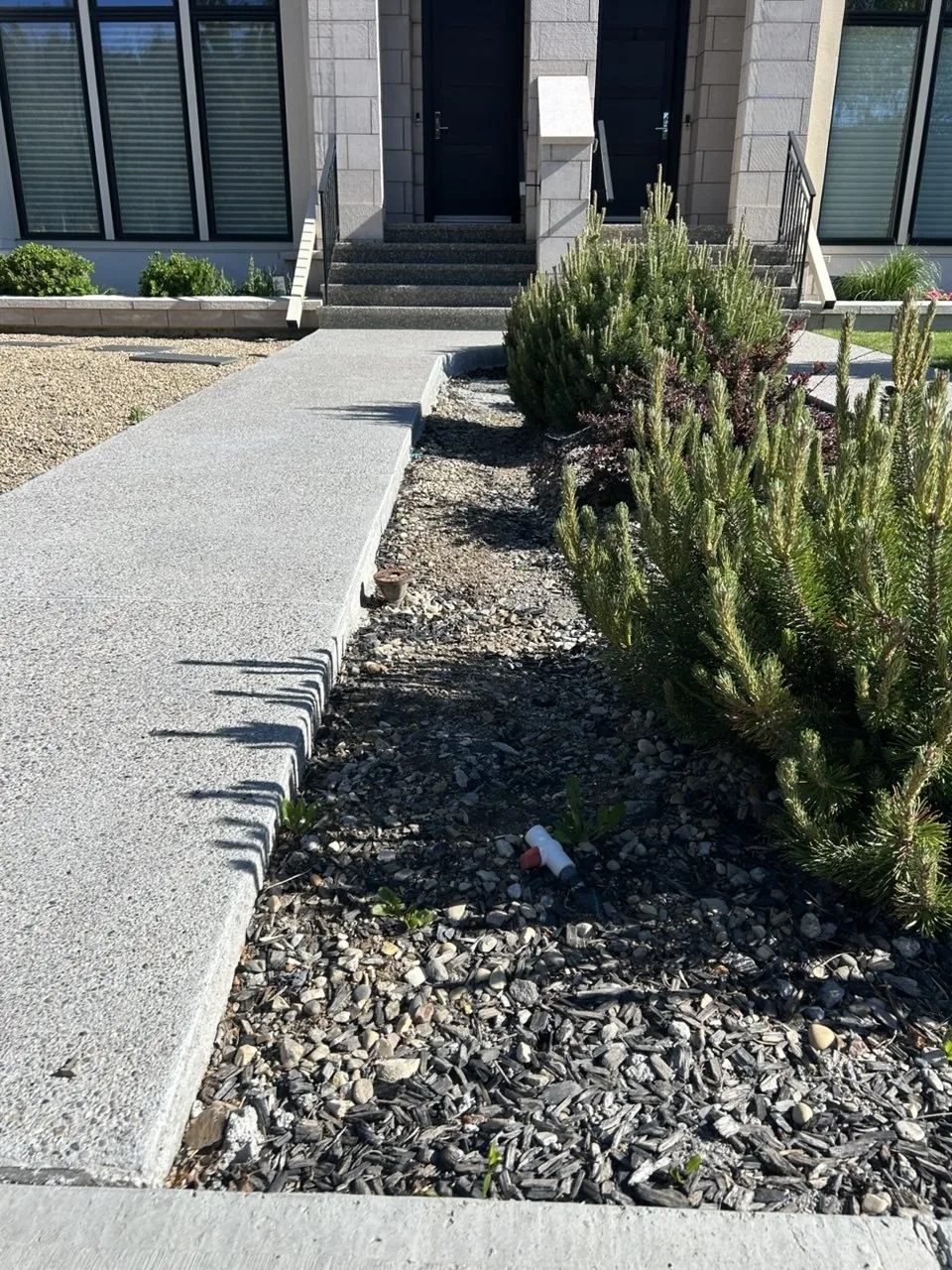
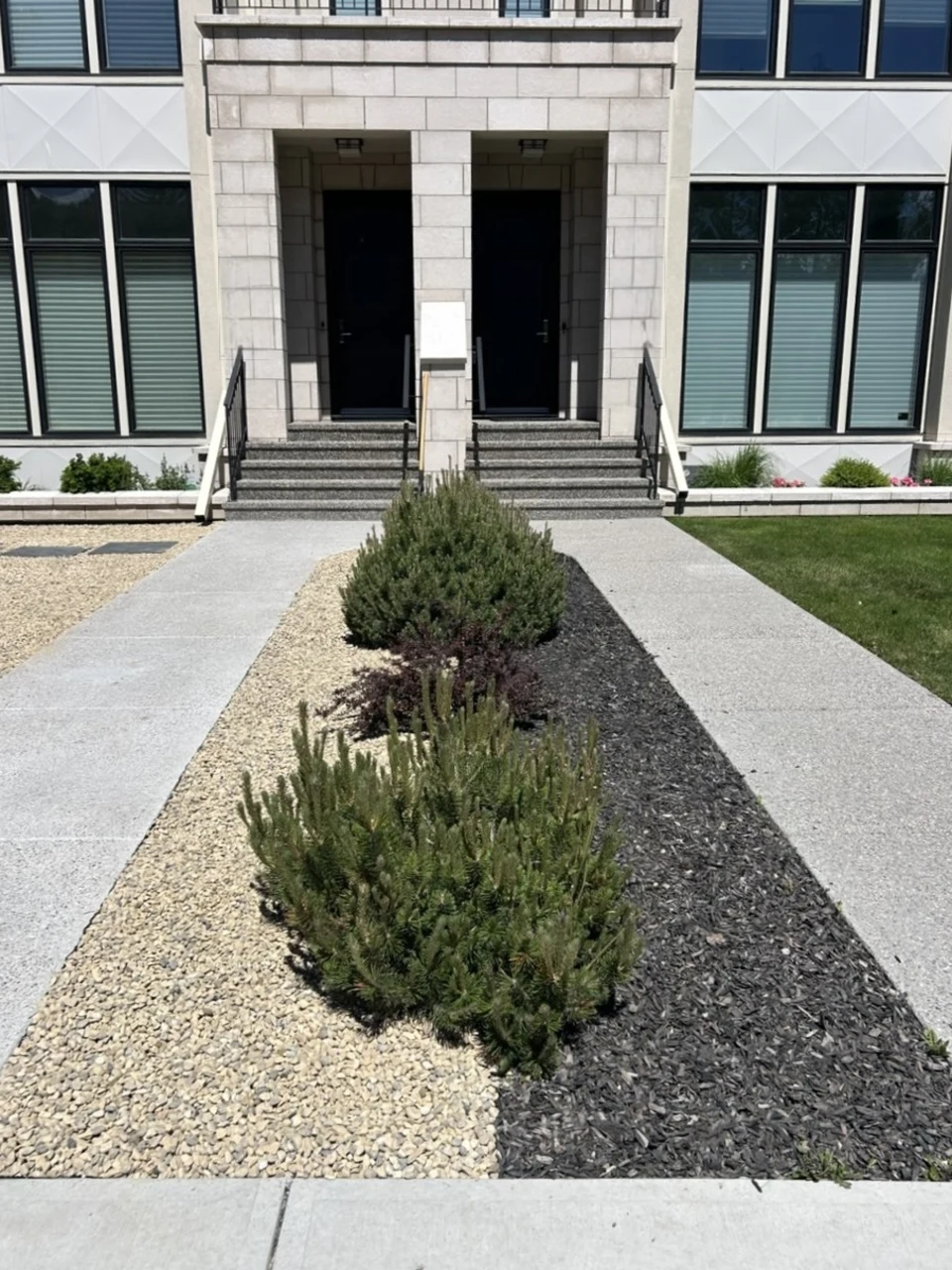
Kendal Rock: before and after
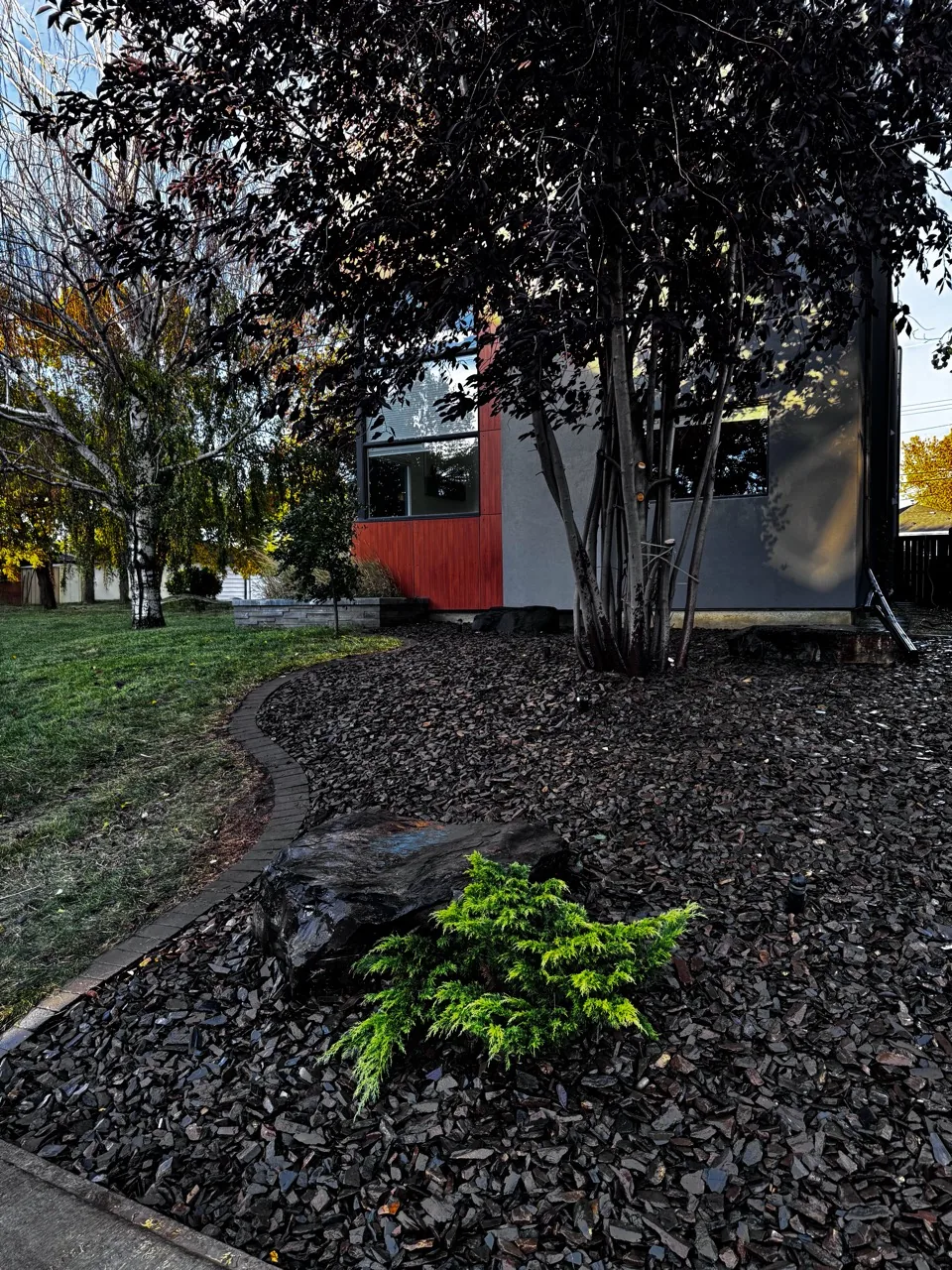
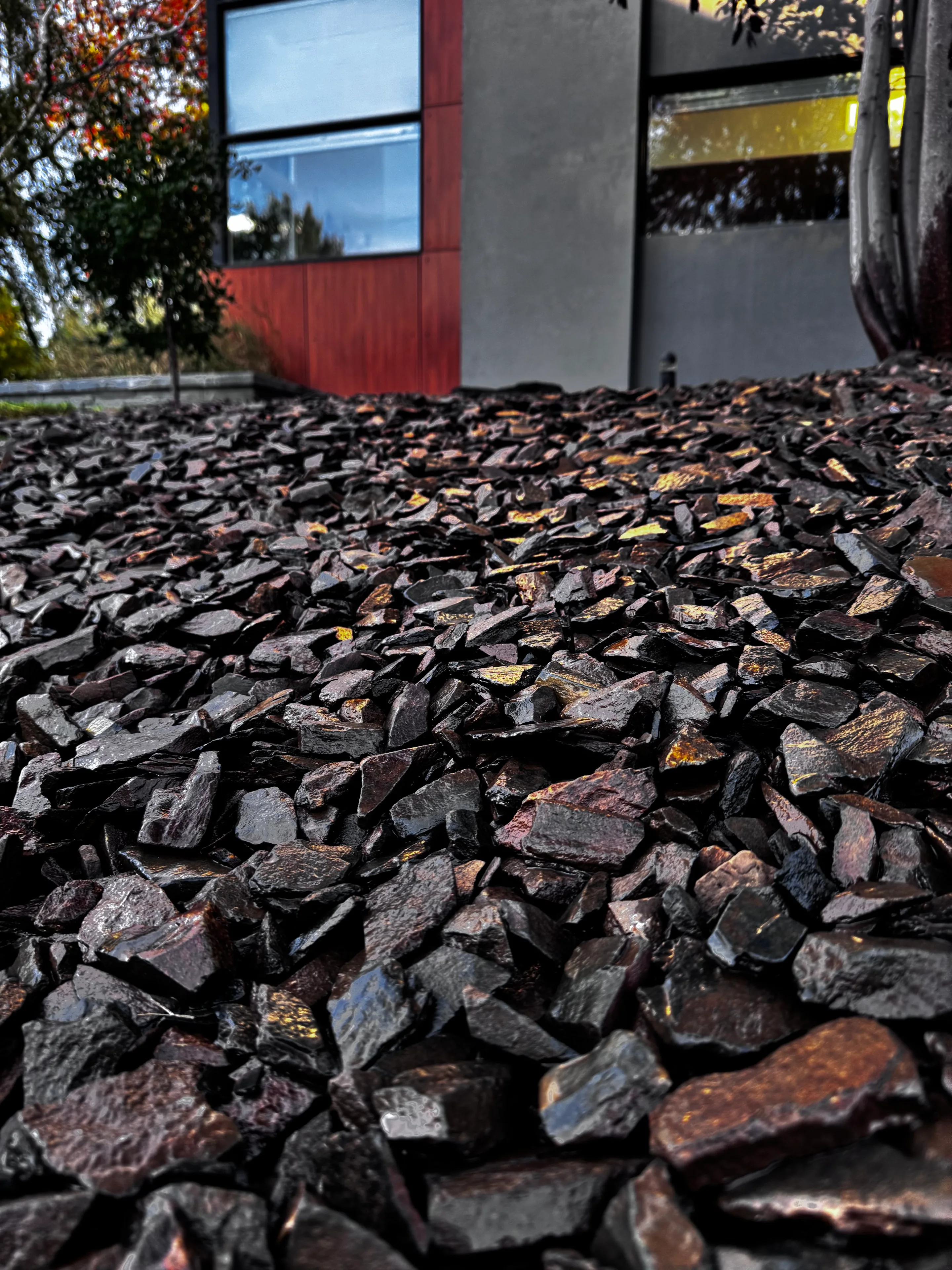
A front-yard garden bed transformed with Kendal Rock. Compare the original bed with the finished installation, then explore the additional photos below.
Select a photo to view it full size.
More photos of the finished bed
What Is Decorative Rock Installation?
Decorative rock installation is the process of preparing a yard area and finishing it with landscape rock for a cleaner, lower-maintenance surface. In Calgary yards, that may include removing sod or old gravel, preparing and leveling the surface, installing weed barrier where appropriate, spreading decorative rock, and blending or re-leveling the finished rock bed.
A practical example is Nika Terra's Landscape Rock Installation in Calgary project , where sod and old gravel were removed before weed barrier and decorative rock were installed.
Decorative Rock Is Not the Same as Road Crush or Crushed Gravel
Decorative rock is usually chosen for appearance, curb appeal, garden beds, low-maintenance strips, and cleaner finished rock surfaces. It may involve weed barrier, edge details, bed transitions, and final surface blending.
Road crush and some crushed gravel projects are different. They are usually more functional: base preparation, practical gravel surfaces, grading, and compaction where required. If the project is about base material, read the road crush and crushed gravel guide instead.
This guide stays focused on decorative rock as the finished landscape surface: rock beds, weed barrier, refresh work, settled areas, stepping stones, and final leveling for a cleaner look.
What Usually Happens Before Decorative Rock Is Installed?
Most decorative rock work starts by deciding what has to come out and what can stay. For a broader removal checklist before landscaping, use the landscaping site prep guide . If the main pre-work is lawn stripping, sod and topsoil removal covers that surface-removal step in more detail. For rock projects, the goal is a clean prepared surface before the finished rock is placed.
Prep Step
Remove existing sod
Grass and root mat may need to be stripped where the area is still lawn.
Prep Step
Remove old gravel or mixed material
Old gravel, fabric, weeds, or mixed material may need to come out before the rock finish is rebuilt.
Prep Step
Clear weeds and surface growth
Surface growth should be cleared so weed barrier and rock are not placed over active organic material.
Prep Step
Prepare and level the work area
The surface is smoothed so the finished rock bed sits cleaner and does not look patchy.
Prep Step
Review edges and transitions
Driveway borders, side access, garden beds, and existing edges affect how the rock surface finishes.
Prep Step
Install weed barrier where appropriate
Fabric is used when it fits the scope and helps separate prepared ground from the decorative rock finish.
Prep Step
Spread decorative rock
Rock is moved from the delivery or stockpile area into the prepared bed and spread across the surface.
Prep Step
Final level and cleanup
The finished surface is blended, re-leveled, and cleaned up before handoff.
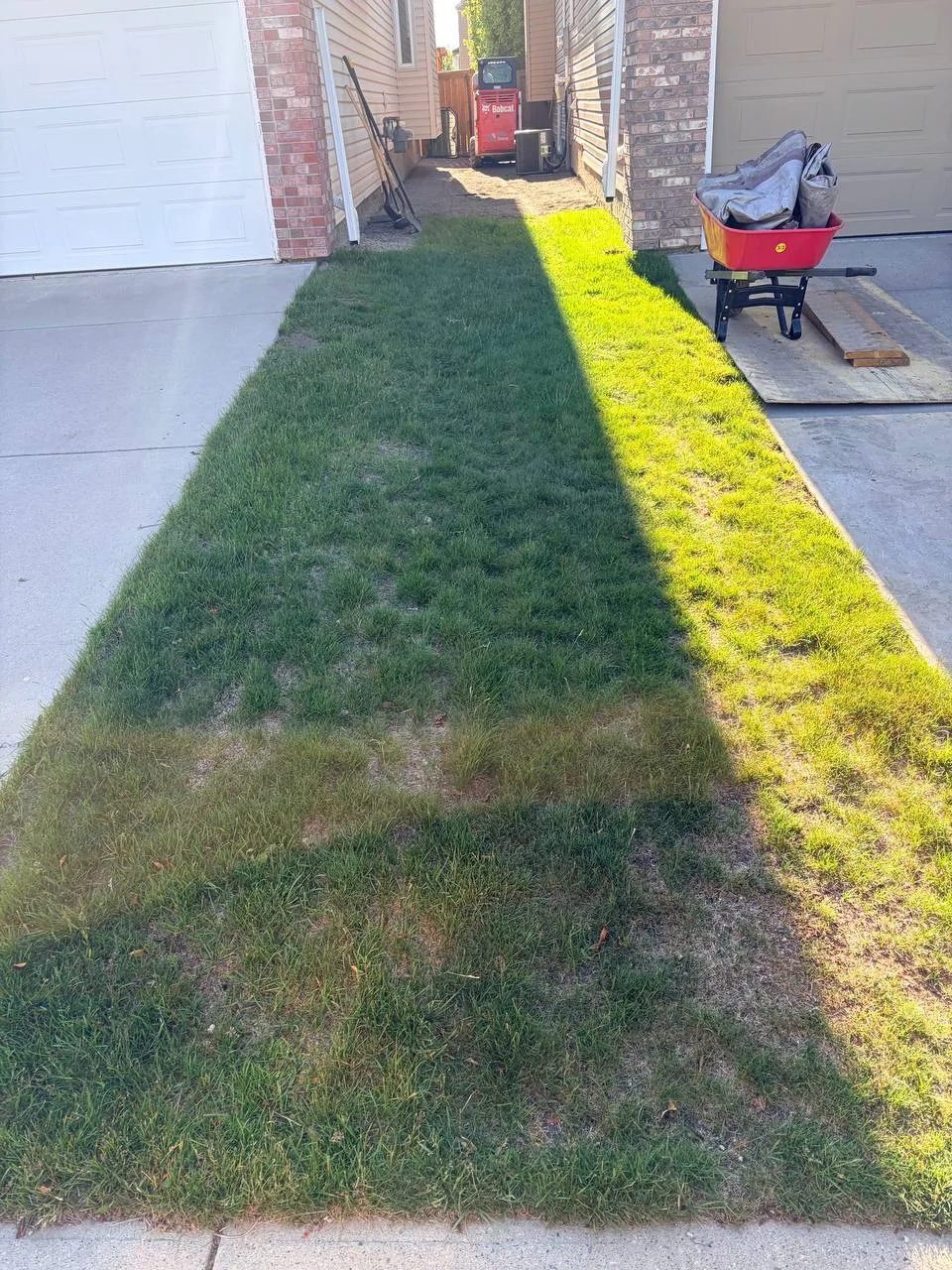
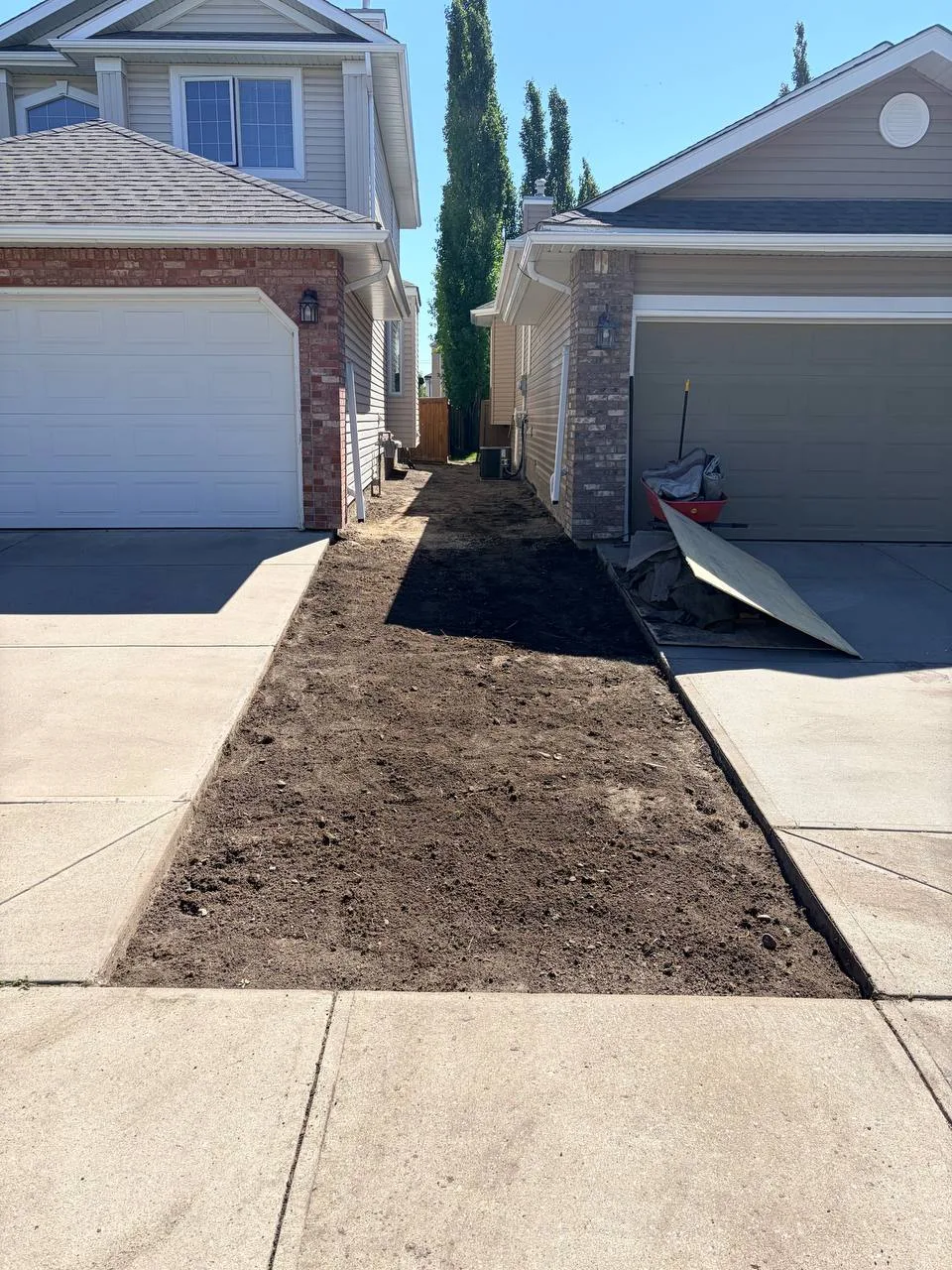
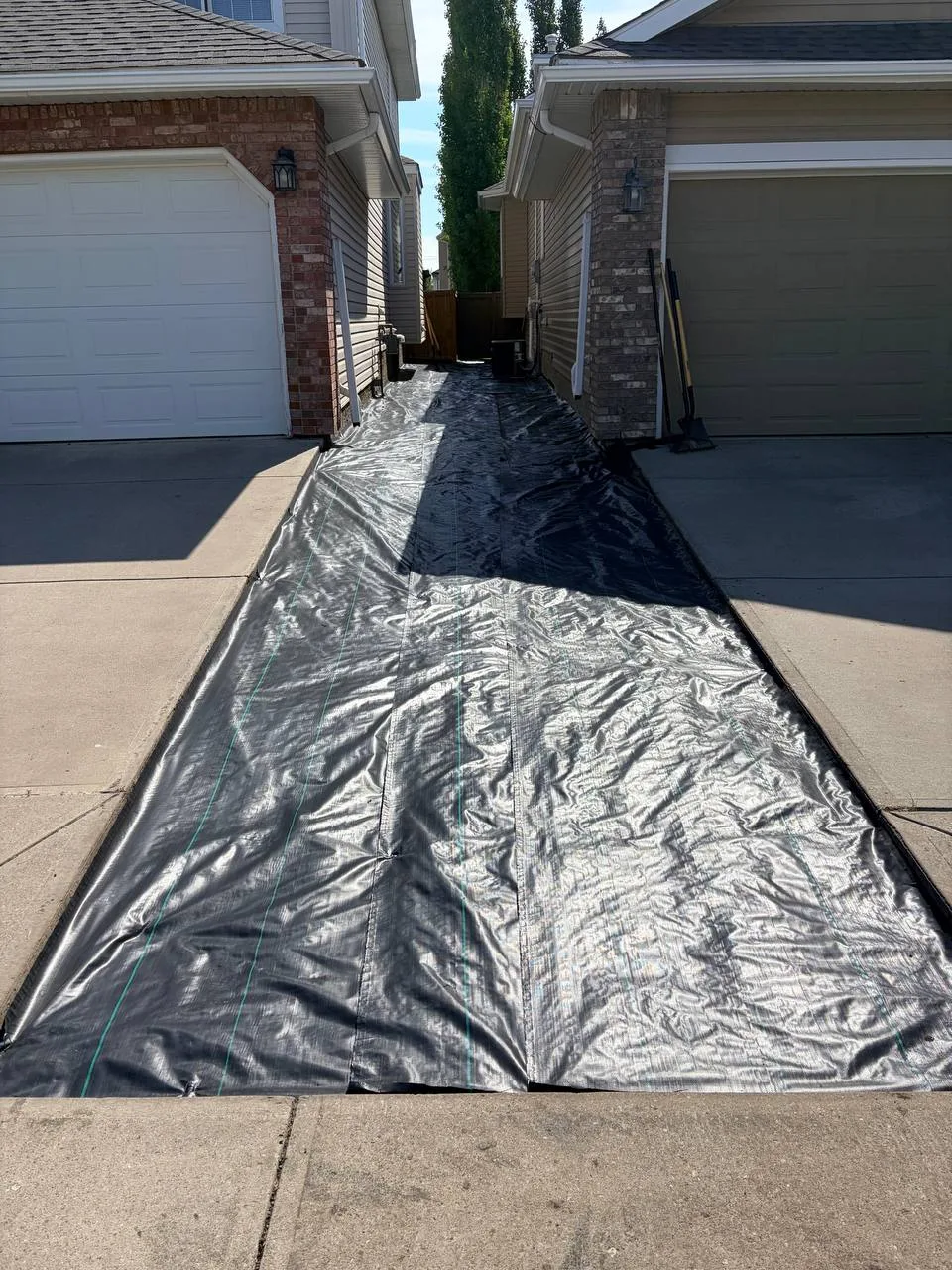
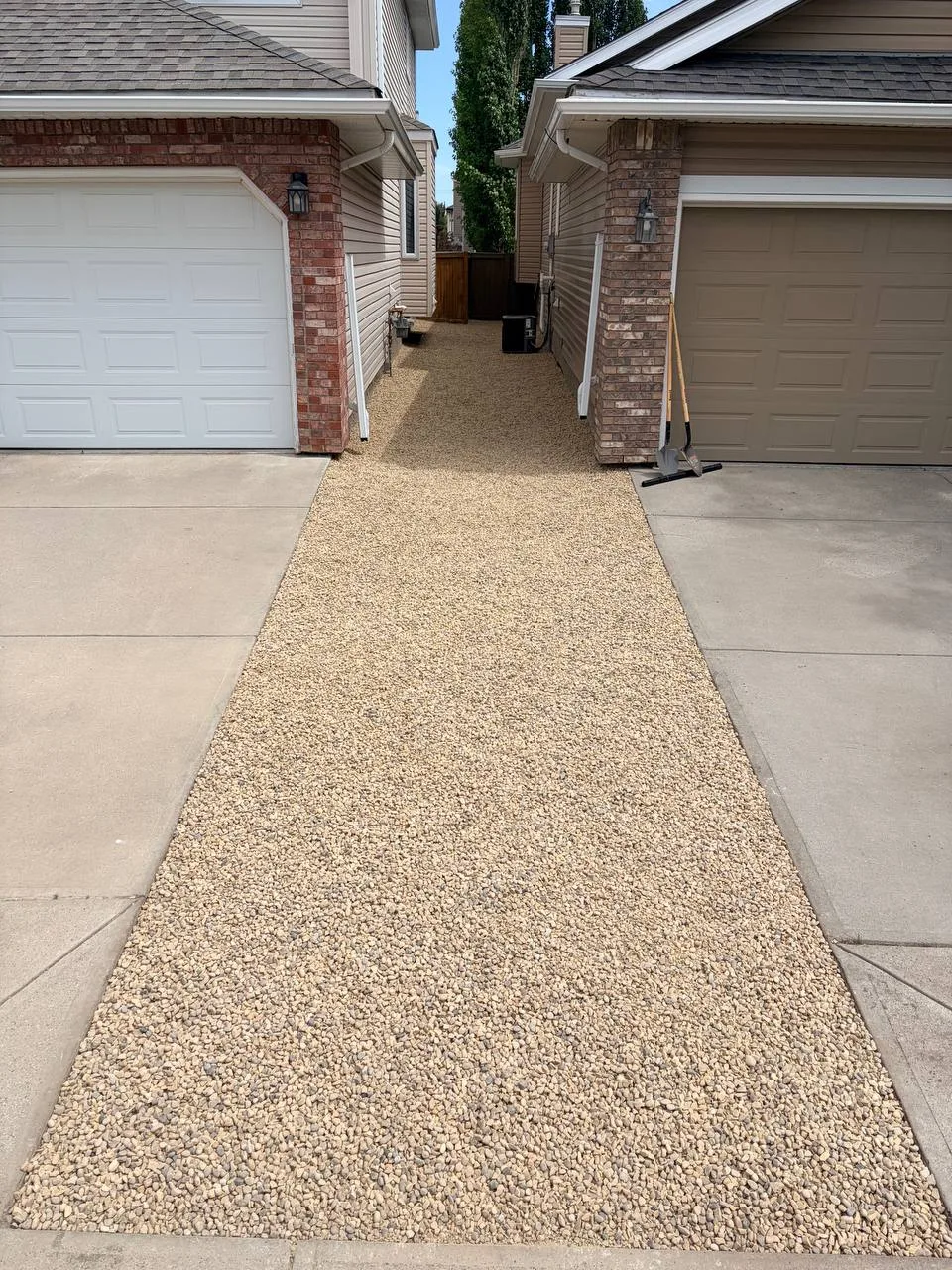
Example: Landscape Rock Installation in Calgary
Nika Terra's Landscape Rock Installation in Calgary project converted a yard strip from mixed sod and old gravel into a cleaner decorative rock surface.
The scope included removing existing sod and gravel, preparing and leveling the area, installing weed barrier, then supplying, spreading, and leveling decorative rock so the finished area tied cleaner into driveway edges and side access.
When Existing Rock Beds Need Repair or Re-Leveling
Decorative rock does not always need a full replacement. Some areas need removal and reinstallation, some need new weed barrier, and others need selected low spots topped up and blended into the existing bed.
- Rock has settled into low spots
- Weed barrier is exposed, torn, or failing
- Weeds are growing through old rock
- Rock is mixed with dirt, roots, or organic material
- Stepping stones are uneven or sitting at the wrong height
- Front-bed or side-yard areas look patchy
- Rock has shifted away from edges or transitions
- Old rock needs to be removed, reused, topped up, or blended
Example: Decorative Rock Settlement Repair in Calgary
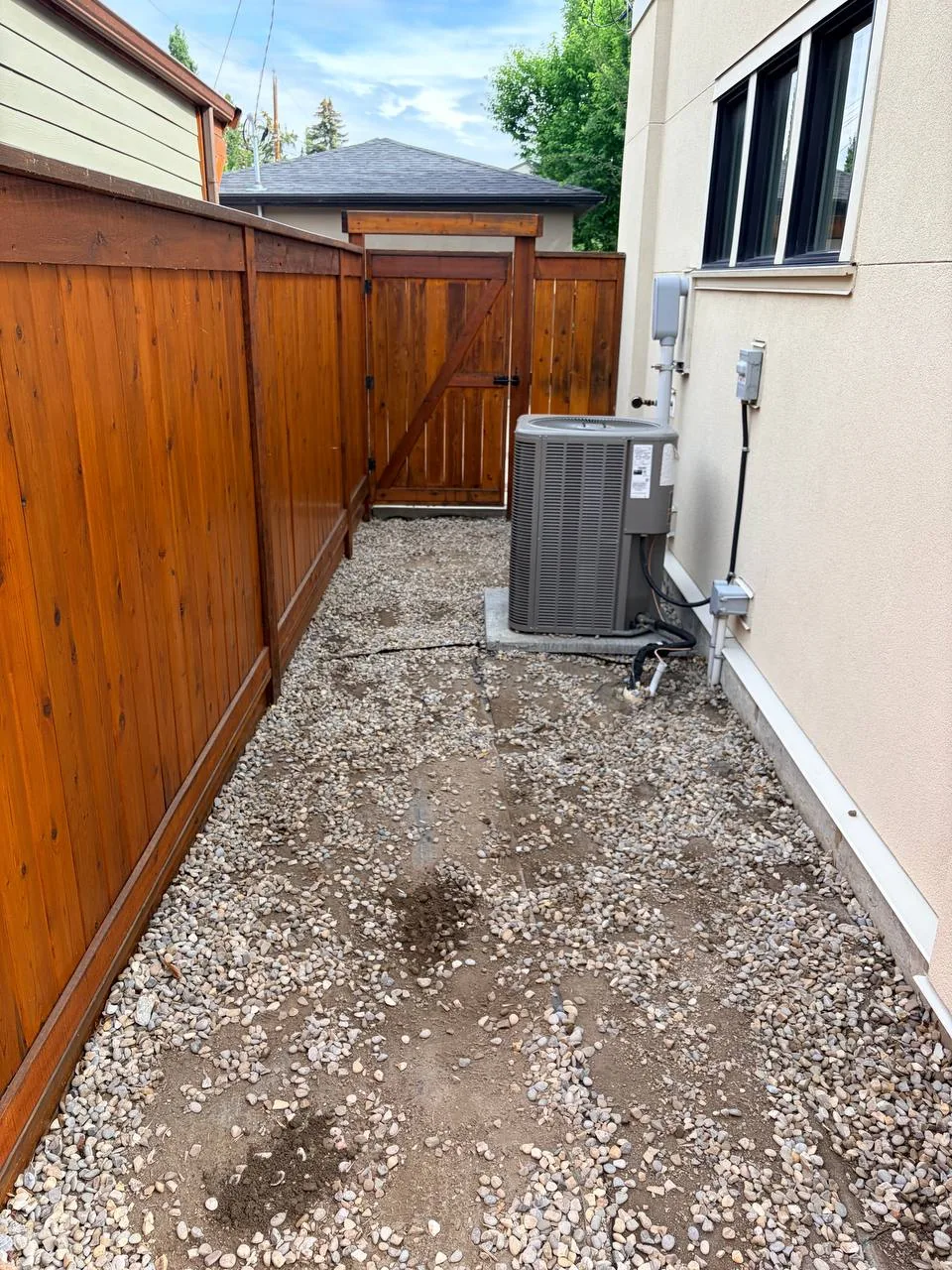
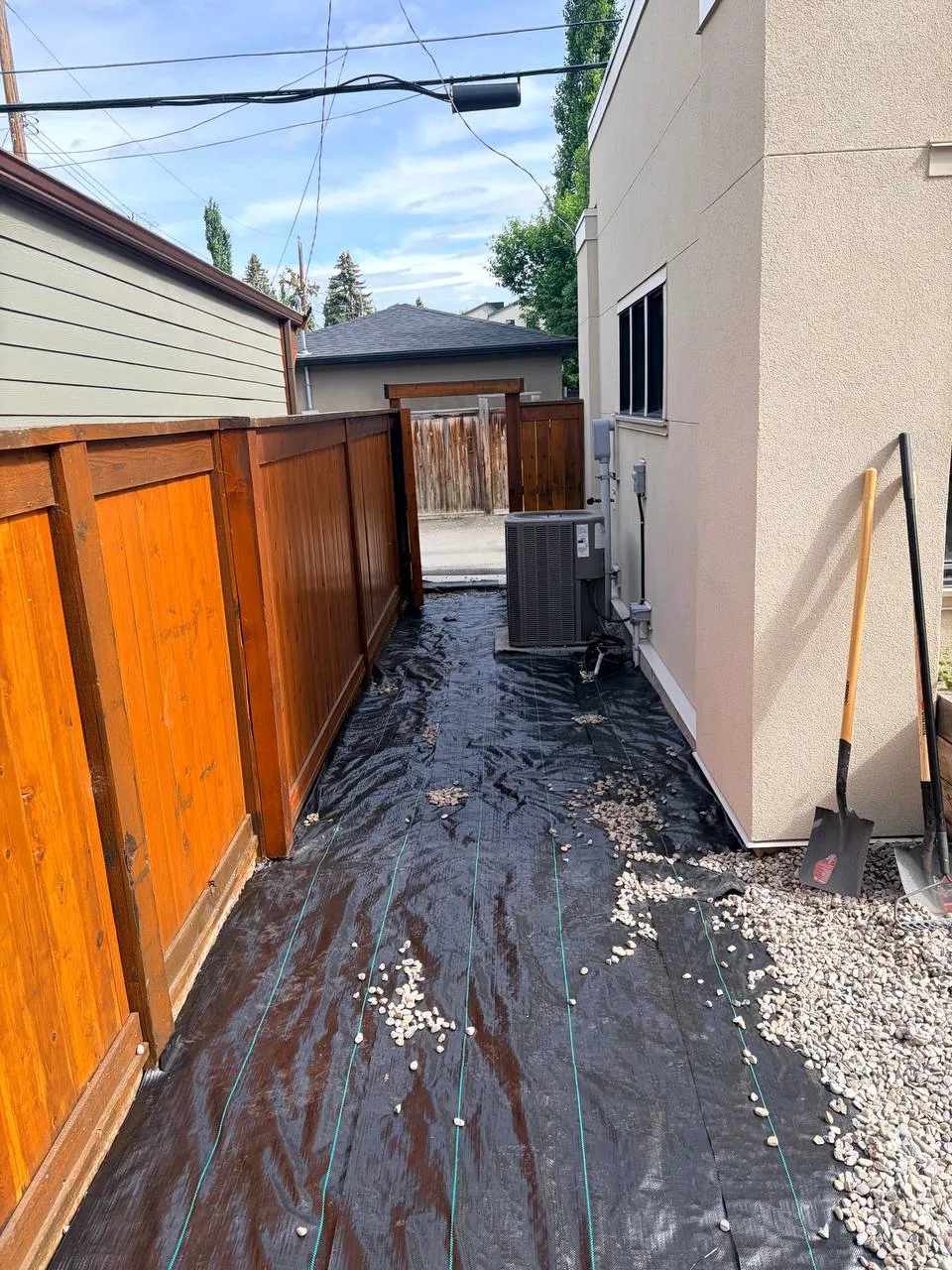
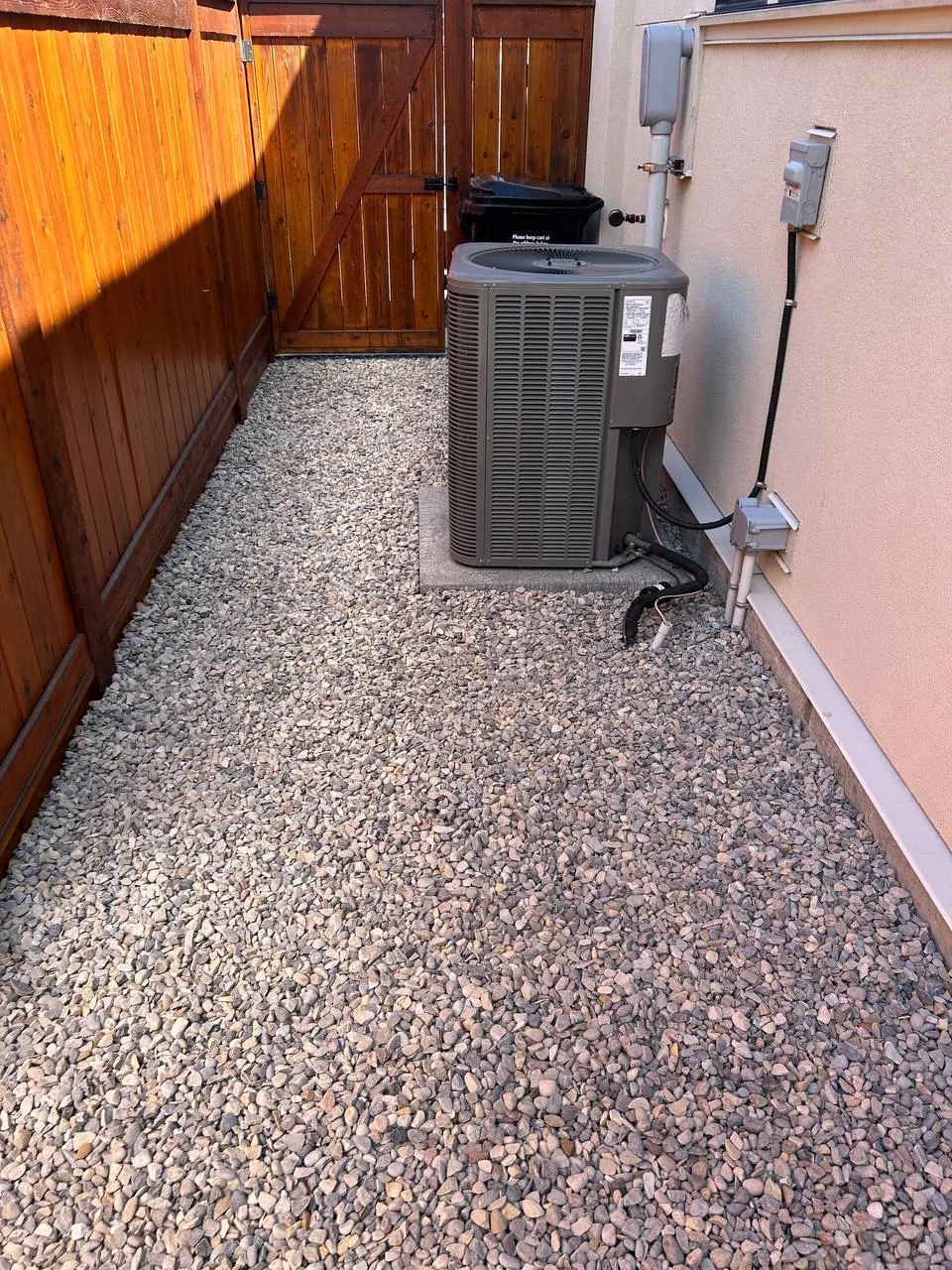
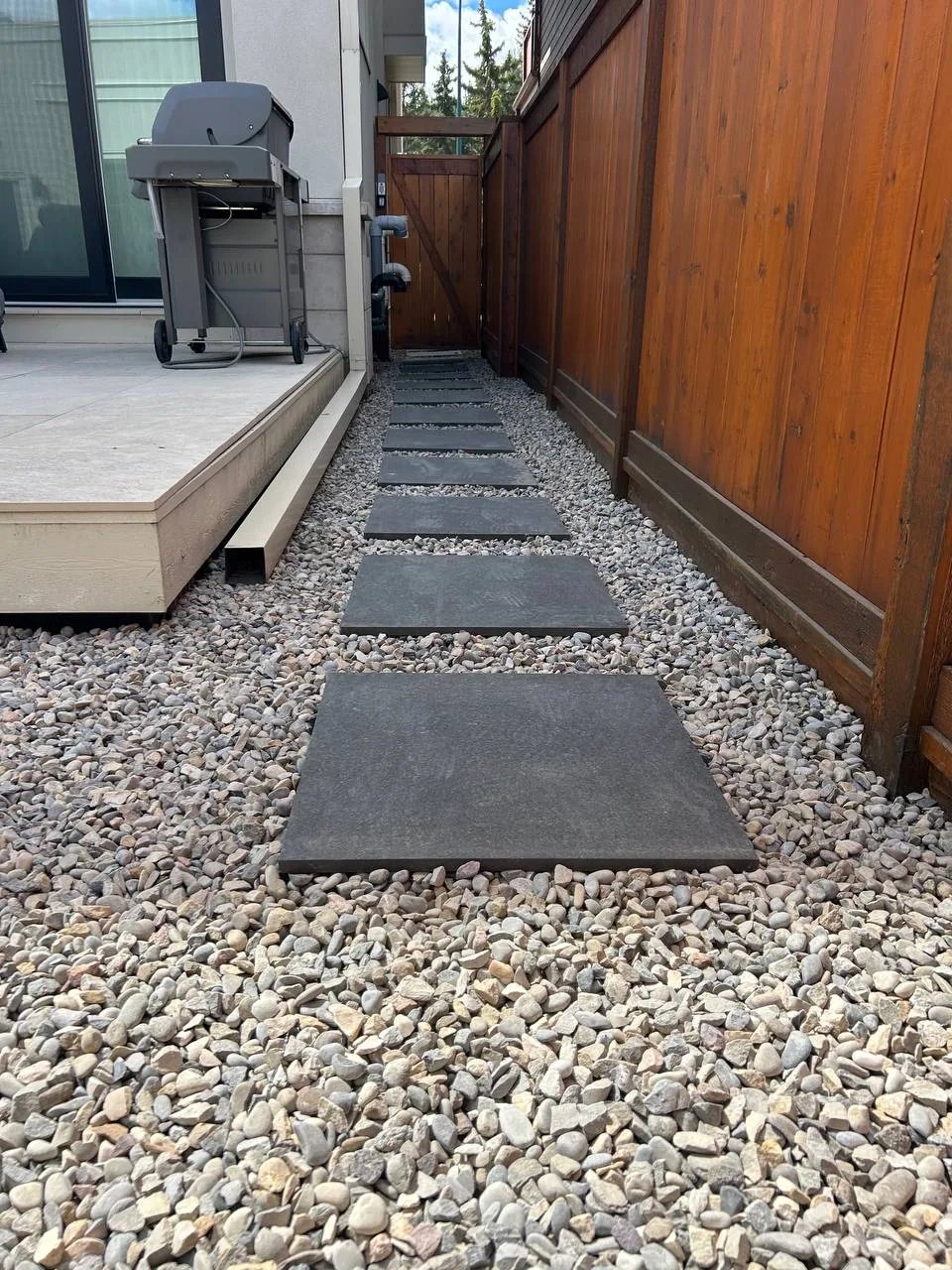
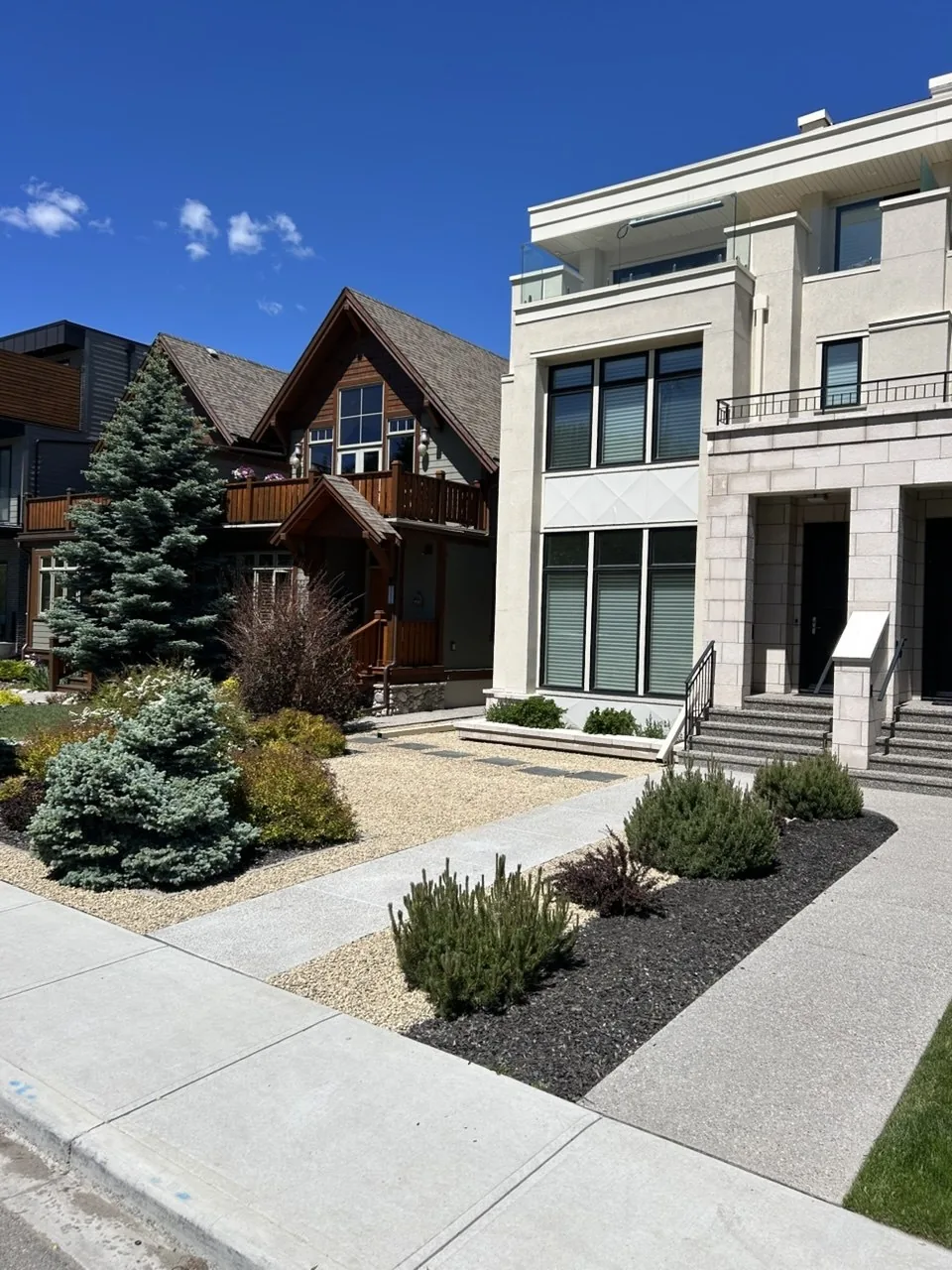
The Decorative Rock Installation & Settlement Repair in Calgary project shows how existing decorative rock can be corrected across several connected zones when it has settled, shifted, or needs new weed barrier.
Selected rock was removed and reinstalled where reusable, weed barrier was replaced in side-yard and bed areas, additional rock was added to low or settled sections, stepping stones were reset and re-leveled, and Tan Rock and Montana Rainbow Rock were used in project zones.
Final grading and leveling across the repaired areas helped create a cleaner, more consistent decorative rock finish without presenting the project as a foundation-drainage or structural repair.
What Weed Barrier Does — and What It Does Not Do
Weed barrier can help reduce weed growth under decorative rock, but it is not a permanent zero-weed promise. It works best when the surface is prepared first and the finished bed is kept clean enough that soil and organic debris do not build up on top.
Weed Barrier
Works best over a prepared surface
Fabric performs better after sod, loose weeds, and unsuitable surface material are removed.
Weed Barrier
Helps reduce weed growth
It can reduce weeds under decorative rock, especially when seams, edges, and cleanup are handled carefully.
Weed Barrier
Not a zero-weed guarantee
Edges, seams, punctures, old roots, blown-in soil, and organic debris can still create weed problems.
Weed Barrier
Maintenance still matters
Leaves, soil, and debris that collect on top of rock can give new weeds a place to start.
Stepping Stones, Walkways and Rock Beds
Stepping stones can settle or become uneven inside decorative rock beds. Resetting them may require removing rock around the stones, reviewing the surface beneath, re-leveling the pieces, and reinstalling rock around the walkway.
Walking paths should be planned with practical spacing, surface height, and the finished rock depth in mind. The settlement-repair project includes a stepping stone reset example , but each walkway depends on the existing base, stone type, and layout.
Why Access and Material Handling Matter
Decorative rock is heavy. A clean plan should account for how the material gets from delivery or stockpile to the rock bed without unnecessary damage to finished surfaces.
Front yards, side yards, narrow strips, and backyards can all have different access constraints. Compact equipment can help where access allows, but gate width, turns, slope, finished surfaces, and staging location still matter. For access planning and measurements, read the Calgary backyard access guide .
- Delivery or stockpile location
- Distance from the stockpile to the work area
- Whether the project is in the front yard, side yard, or backyard
- Gate width or narrowest access point
- Turns, slope, finished surfaces, and soft ground
- Room for equipment, wheelbarrows, trailers, and cleanup
What Affects Decorative Rock Installation Cost?
Decorative rock installation and repair are priced from the actual site and scope. Area size, access, existing material, rock type, weed barrier, and cleanup can all change the plan.
If the work includes removing old sod or gravel before the rock finish, compare Nika Terra's landscaping site preparation service . If removed material needs to leave the property, compare debris removal as part of the quote route.
- Work area size
- Whether existing sod, old gravel, or old rock must be removed
- Whether existing rock can be reused
- Amount and type of decorative rock
- Whether weed barrier is included
- Access and material movement distance
- Whether stepping stones need reset
- Edge cleanup and final leveling
- Haul-away or disposal needs
- Number of project zones and staging points
Helpful Info for a Faster Rock Estimate
The quote form only needs contact details, service type, address or neighbourhood, and a short description of the rock project. When you request a free estimate , add any installation, refresh, re-leveling, access, or material details you already know:
- Existing sod, old gravel, weeds, fabric, or settled rock details to mention if relevant
- Approximate dimensions or area size, if known
- Whether old material should be removed or reused, if known
- Whether weed barrier is needed, if relevant
- Preferred decorative rock type if known
- Access path and stockpile or delivery area, if relevant
- Gate width or narrowest access point for backyard or side-yard work, if known
- Whether stepping stones or walkway pieces need reset
- Whether material must be hauled away
- Preferred timing
Need Decorative Rock Installation or Rock Bed Repair in Calgary?
Nika Terra helps Calgary homeowners with decorative rock installation, landscape rock refreshes, weed barrier, rock bed re-leveling, stepping stone reset, side-yard rock refill, and compact-equipment material handling where access allows. Start with the quote form and describe the work area, access path, existing material, and any repair or reset needs.
Common Questions
Frequently Asked Questions
Do you install decorative rock in Calgary? +
Yes. Nika Terra helps with decorative rock and landscape rock projects in Calgary, including surface preparation, weed barrier where appropriate, rock placement, leveling, and compact-equipment material handling where access allows.
What should be removed before decorative rock is installed? +
That depends on the site. Existing sod, weeds, old gravel, mixed material, or failing weed barrier may need to be removed before the area is prepared, leveled, covered with weed barrier where appropriate, and finished with decorative rock.
Do I need weed barrier under decorative rock? +
Weed barrier is often used under decorative rock to help reduce weed growth, but it works best over a prepared surface and does not guarantee zero weeds. Edges, seams, punctures, blown-in soil, and old roots can still create weed issues.
Can settled decorative rock be repaired? +
Often, yes. Settled or low rock areas may be corrected by removing or redistributing rock, replacing weed barrier where needed, adding rock to low sections, and re-leveling the finished surface.
Can existing rock be reused? +
Sometimes. Existing rock may be reused if it is clean enough and matches the planned finish. Rock mixed with soil, weeds, fabric, or debris may need sorting, removal, or replacement depending on the project.
Can stepping stones be reset in a rock bed? +
Yes. Stepping stones can often be removed, reset, and re-leveled so they sit more cleanly within a decorative rock surface. The exact process depends on the existing base, rock depth, stone type, and walkway layout.
Is decorative rock the same as road crush? +
No. Decorative rock is usually chosen for appearance and low-maintenance landscape finish. Road crush is usually a compacted base material for future landscaping, patios, or hardscape work.
Can decorative rock be installed in a side yard? +
Often, yes. Side-yard rock installation depends on access, existing material, drainage considerations, surface preparation, and whether material can be moved safely into the work area.
How much does decorative rock installation cost in Calgary? +
Cost depends on the area size, access, existing material removal, weed barrier, rock type and quantity, material movement, stepping stone reset, haul-away needs, and final leveling. Final pricing is confirmed after reviewing the site.
What details should I include for a decorative rock quote? +
Start with the quote request and describe the work area, existing sod or old rock, weed barrier condition, delivery or stockpile area, stepping stones, and whether old material should be reused or removed.
Tired of mowing? Replace grass with decorative rock
Front yards, open backyards and side yards can all be planned for a rock finish. Decide whether to convert the full lawn area or keep some grass for the activities you enjoy. Review the existing grade, sod removal, edges and access before choosing the finish.
Our rock installation labour starts at $1/sq ft, with a $500 minimum. Materials, delivery, removal and other required preparation are quoted separately.