Calgary Homeowner Article
Debris Removal in Calgary: Soil, Sod, Rock & Job-Site Haul-Away Guide
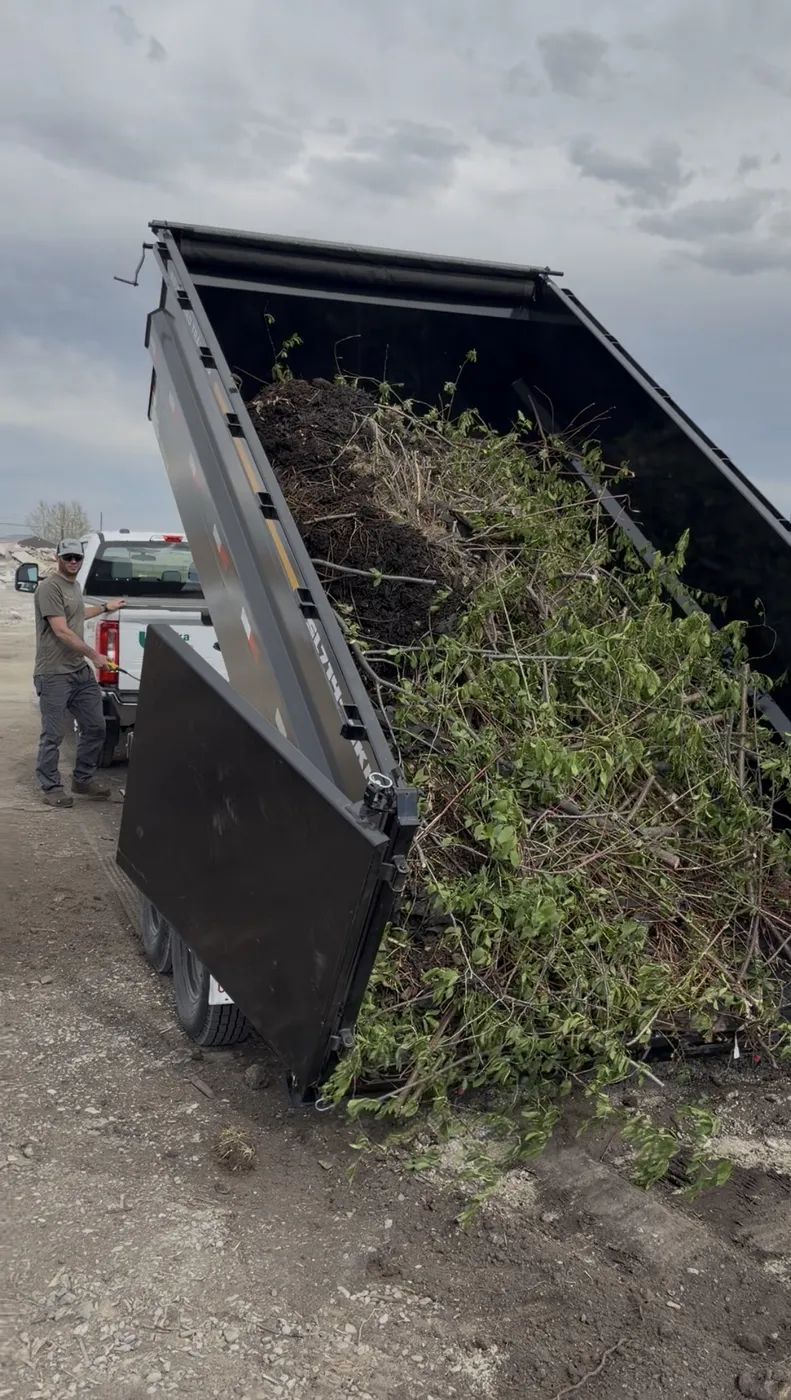
Yard and job-site debris can include soil piles, sod, clay, clean fill, mixed dirt, old rock, rubble, green waste, and leftover project material. The main planning questions are material type, volume and weight, access, loading method, whether material can stay onsite, and whether haul-away is needed.
What Counts as Debris Removal for a Calgary Yard or Job Site?
Debris removal is the loading, moving, and possible haul-away of unwanted material from a property. For Calgary yard and small job-site work, that can include soil, sod, clay, clean fill, mixed dirt, rock, rubble, green waste, and approved construction material. The right plan depends on what the material is, how much there is, whether compact equipment can reach it, and where it needs to go.
For service details, current starting ranges, and quote routing, use Nika Terra's debris removal Calgary service page as the pricing reference.
Common Materials That May Need Removal
The first step is identifying the material honestly. Soil, sod, clean fill, rock, and mixed debris can have different loading, weight, and disposal requirements.
Soil and excavation spoils
Loose soil, dug-out material, clay, and spoil piles from small yard or job-site work.
Sod and mixed topsoil
Grass, root mat, topsoil, and organic surface material created during yard clearing or surface stripping.
Clay and clean fill
Cleaner soil, clay, or subsoil loads that are not mixed with waste, sod, roots, or construction material.
Old gravel or landscape rock
Gravel, decorative rock, mixed rock, or old landscape material that needs to be moved or removed.
Concrete, brick, and rubble
Approved rubble loads such as broken concrete, brick, and hard material from small cleanup scopes.
Green waste, roots, and brush
Yard-clearing material such as sod, roots, branches, brush, and other approved green waste.
Mixed construction or job-site debris
Leftover project material that may need sorting, loading, and review before haul-away.
Specialty or contaminated material
Unusual, restricted, contaminated, or specialty loads must be reviewed and quoted separately before acceptance.
Clean Fill vs. Mixed Soil vs. Job-Site Debris
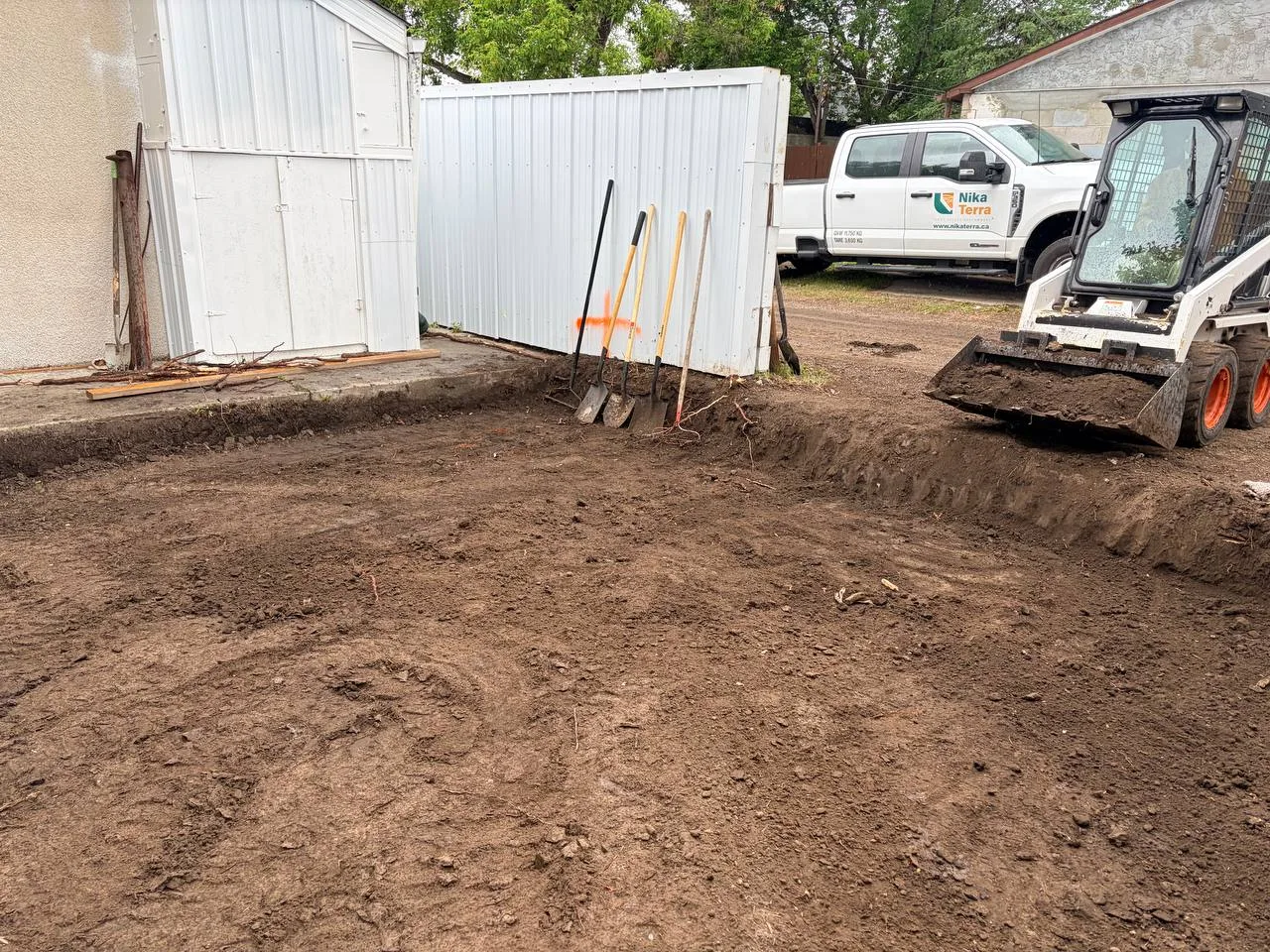
Material type matters because disposal options and cost can change. Clean fill is generally cleaner soil, clay, or subsoil without mixed waste. Mixed soil may include sod, roots, organics, clay, small stones, or landscaping material. Job-site debris may include mixed construction, demolition, rubble, or cleanup material.
In the quote description, describe the pile as accurately as you can. Include the material type and an approximate pile size if known.
Material Type
Clean fill
Generally cleaner soil, clay, or subsoil without mixed waste. It should be described accurately before quoting.
Material Type
Mixed soil
Soil mixed with sod, roots, organics, small stones, old gravel, fabric, or landscaping material.
Material Type
Job-site debris
Mixed construction, demolition, rubble, or cleanup material where disposal options may differ from soil loads.
Load and Haul vs. Renting a Bin
A bin can make sense when the material is easy to reach and someone onsite can load it safely. Load-and-haul service can be more practical when material is in a backyard, side yard, or pile that needs equipment.
Nika Terra can load with compact equipment and haul with a dump trailer where access and material are suitable. Not every job needs a separate bin rental; volume, weight, access, and material type determine the better option. See the debris removal service page for the current service route.
Renting a bin
Can work when the material is easy to reach and the homeowner or contractor can load it safely themselves.
Load-and-haul service
Useful when material is in a backyard, side yard, or pile that needs compact equipment and a dump trailer.
Examples of Projects That Create Removed Material
These project pages are examples where removal, cleanup, or material handling was part of the scope. They show how soil, sod, old gravel, and surface material can be created or handled during Calgary yard work.
Project Proof
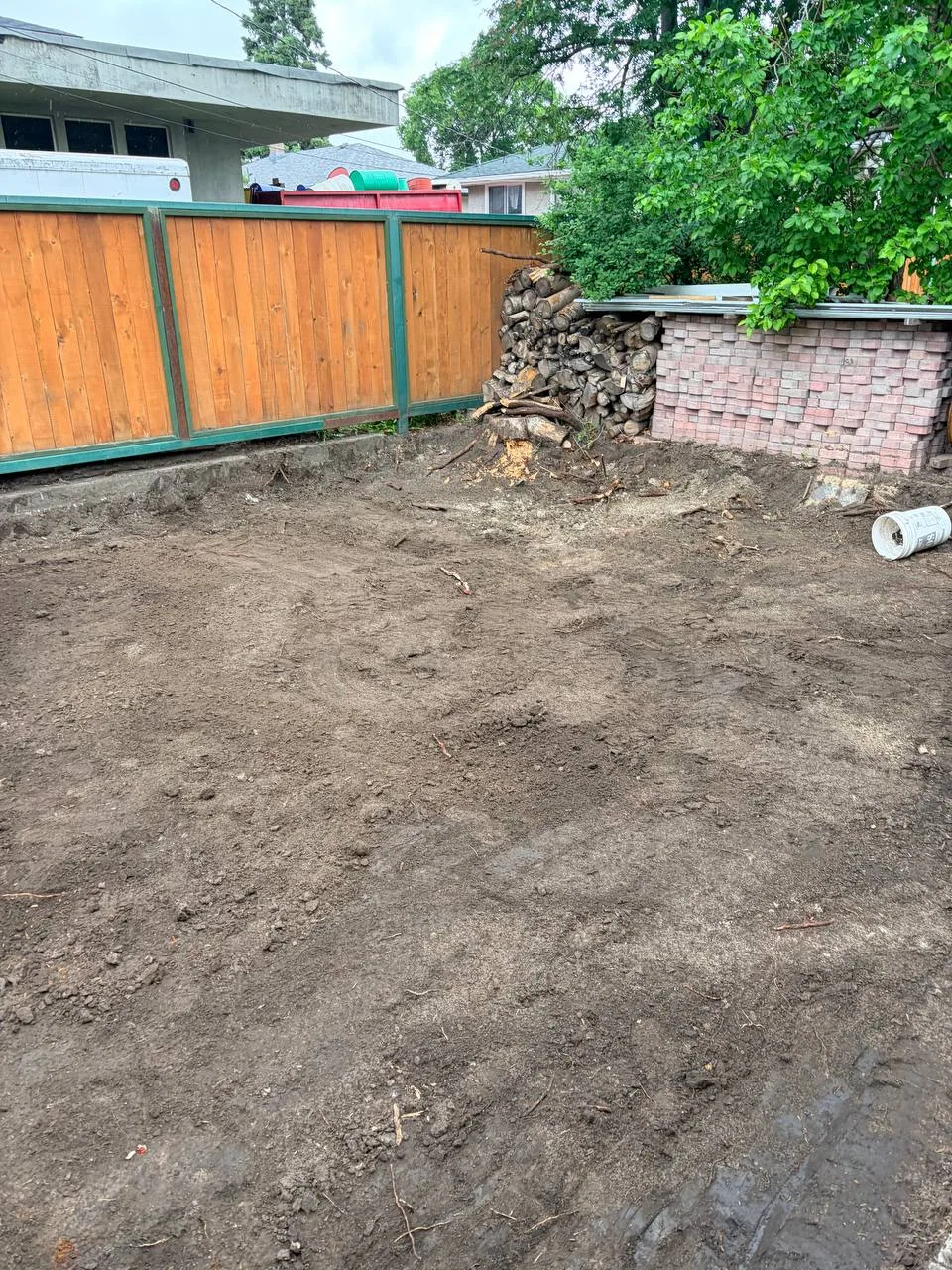
Backyard Soil Excavation & Site Prep
Designated soil areas were excavated, rough leveled, handled with compact equipment, and cleaned for the next project phase.
View project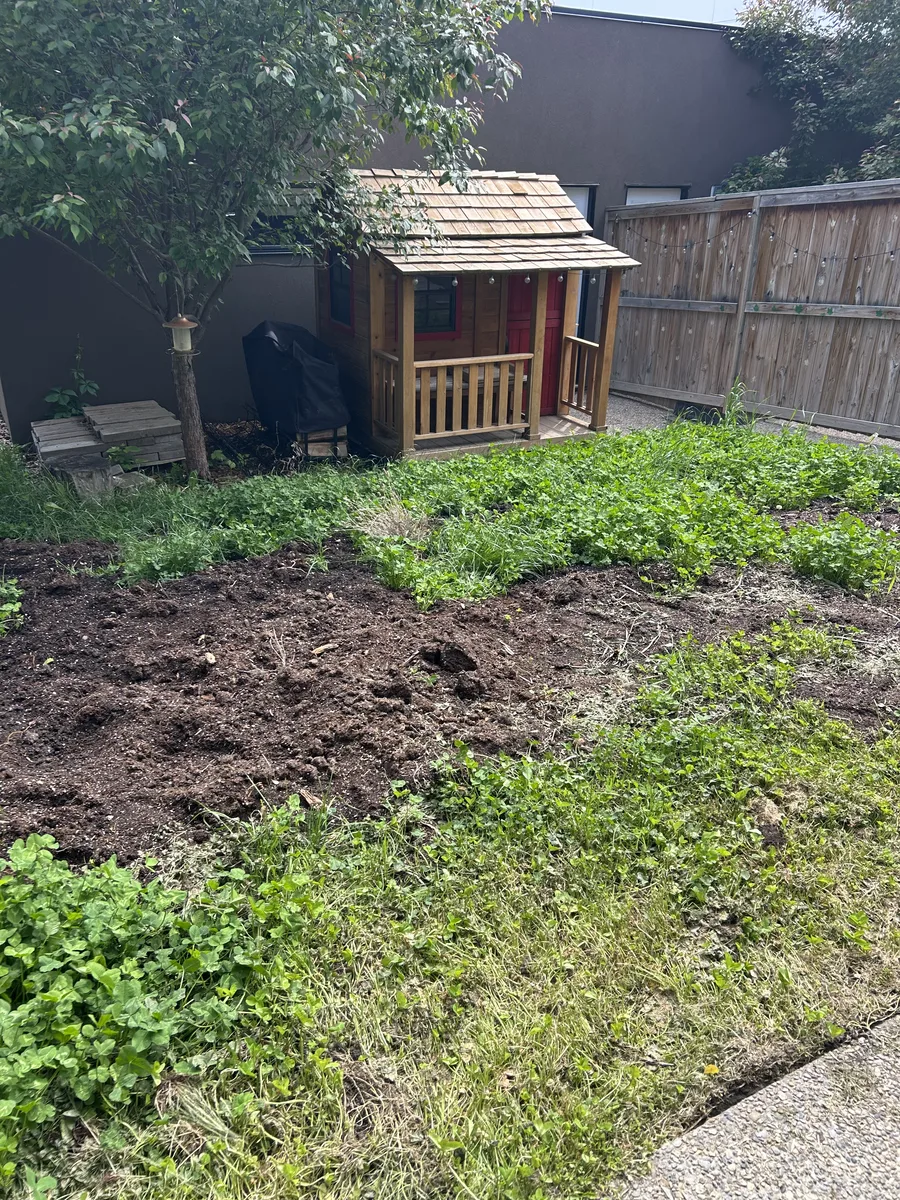
Project Proof
Sod & Topsoil Removal for Landscaping Site Prep
Old sod and topsoil were removed from a backyard work area so the site could move into the next landscaping phase.
View project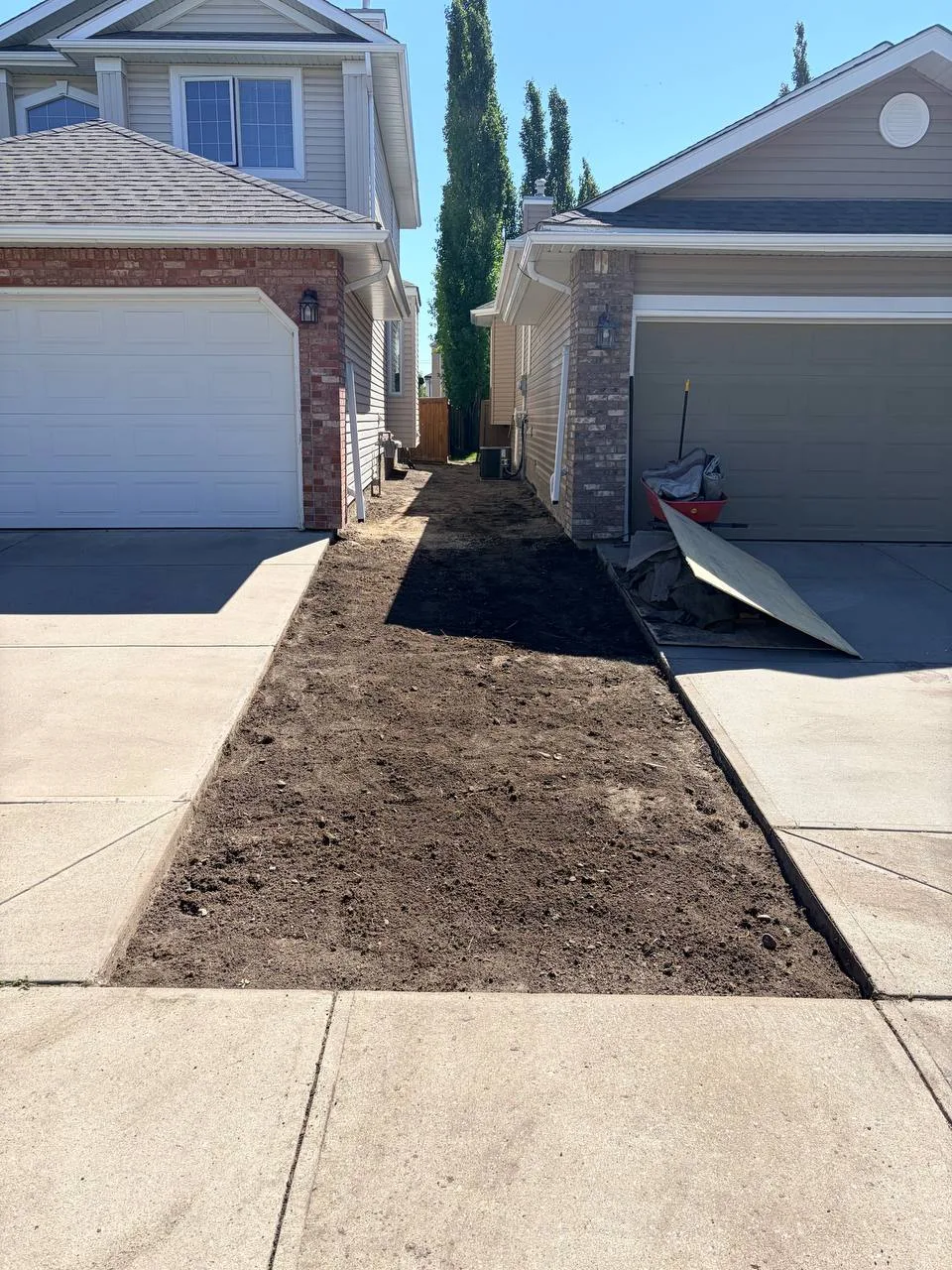
Project Proof
Landscape Rock Installation
Existing sod and old gravel were removed before surface preparation, weed barrier, and decorative rock placement.
View project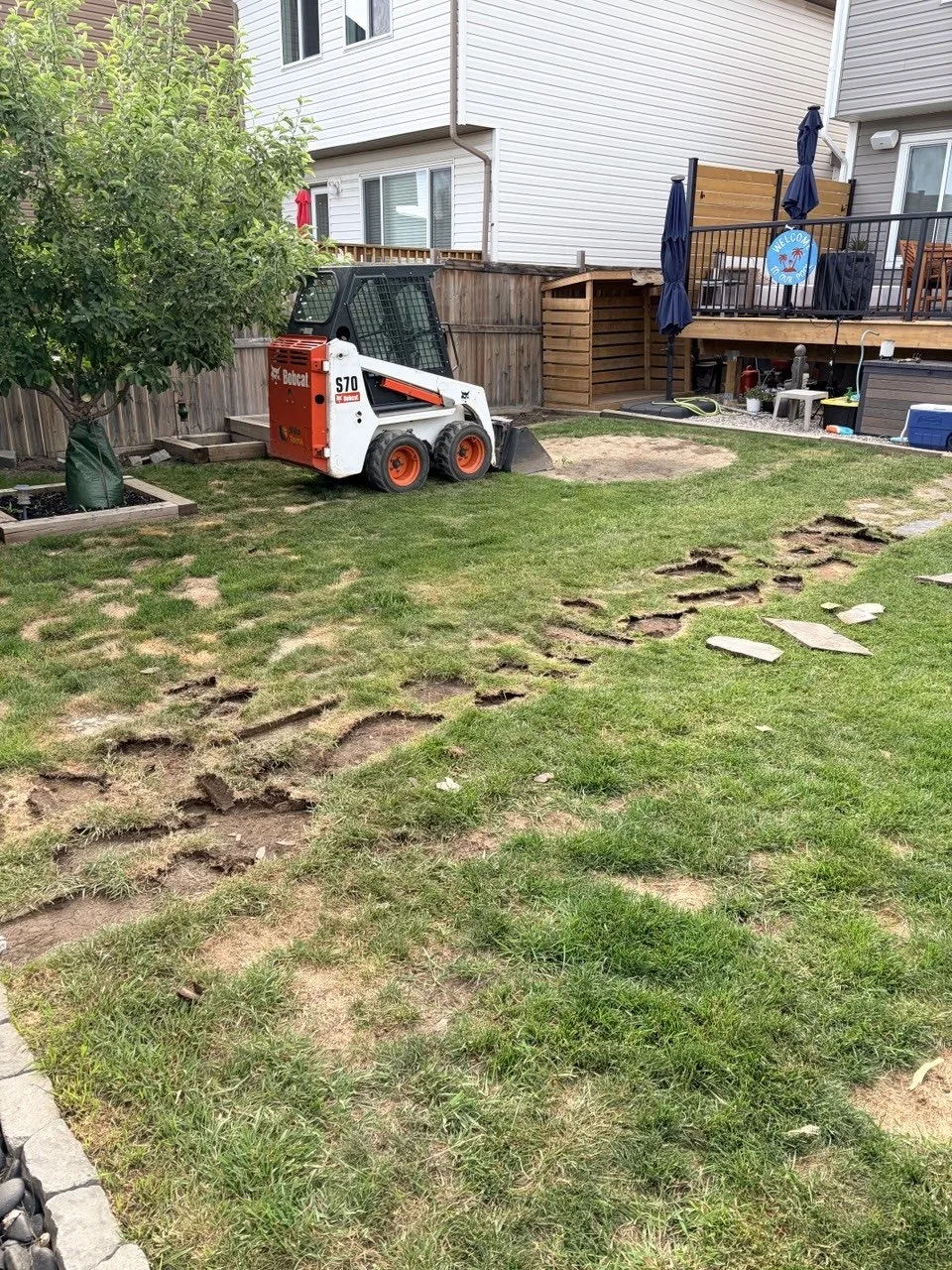
Project Proof
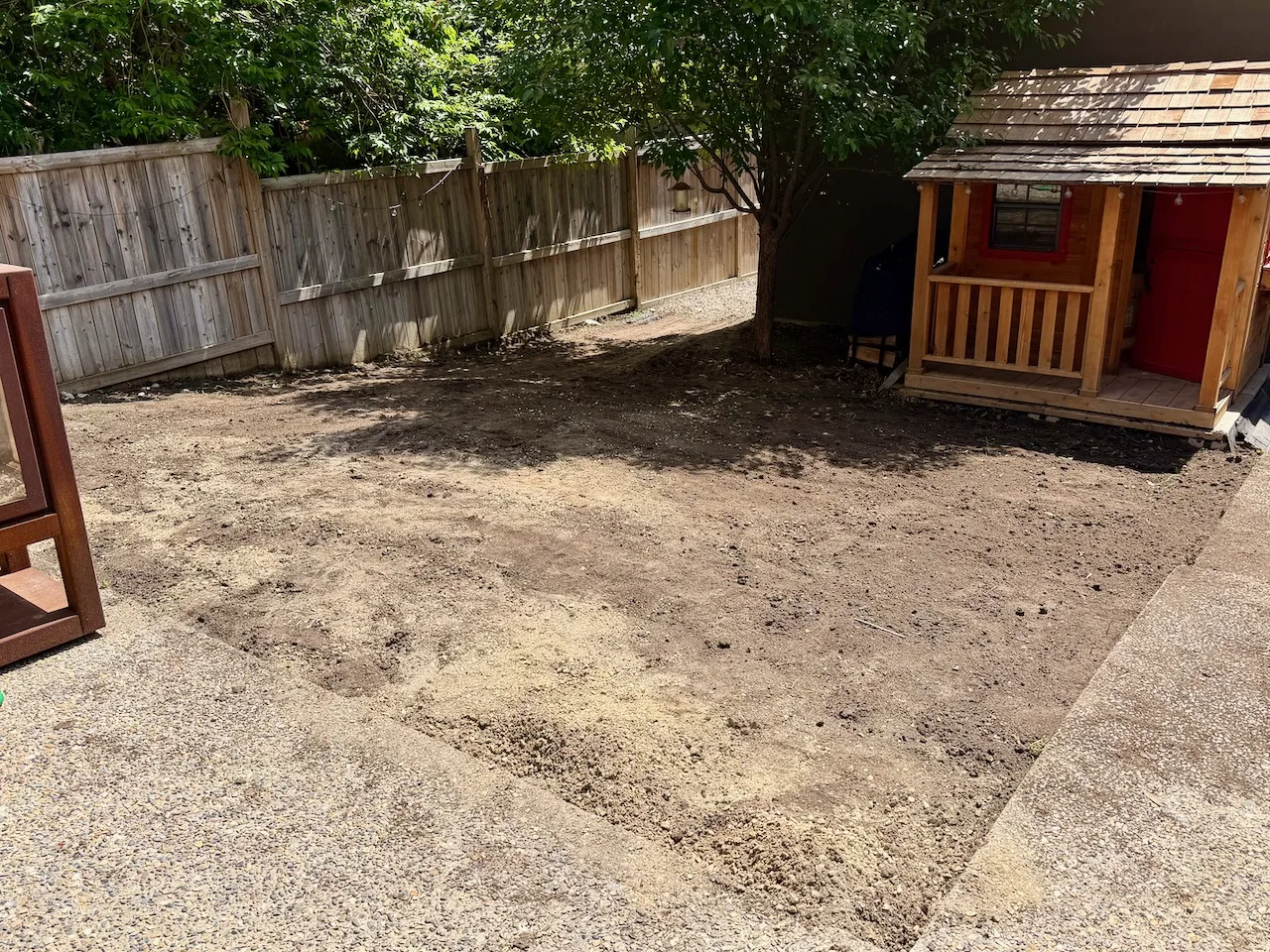
Road Crush Base Installation
Sod and topsoil removal, excavation, grading, leveling, and road crush base preparation created a cleaner prepared surface for future work.
View projectWhen Debris Removal Connects to Site Prep, Excavation or Grading
Debris removal may be a standalone cleanup, or it may be part of landscaping site prep, excavation, or grading. Site prep can create sod, topsoil, and old gravel material. Excavation can create soil and spoils. Grading may create excess soil or require material relocation.
Use the related service routes below for deeper planning. This guide stays focused on material types, loading, haul-away, access, and cost factors rather than replacing the full site-prep, excavation, or grading guides.
Landscaping site prep guide
Use this when the main question is what to remove before sod, rock, patios, road crush, or contractor handoff.
Landscaping site prep service
Useful when removal, clearing, surface prep, or cleanup is part of preparing a yard for the next phase.
Mini excavation
Useful when unwanted soil comes from digging, trenching, or defined excavation rather than only surface cleanup.
Grading and leveling
Useful when excess soil or material handling connects to shaping or smoothing the yard surface.
Why Access Matters for Backyard Debris Removal
A pile in a front driveway is very different from a pile behind a fence. Compact equipment can help when material is in a backyard or side yard, but the access path controls what can be done.
Access depends on gate width, turns, slope, soft ground, fences, patios, driveways, finished surfaces, and the distance to the loading area. The tight-access excavation Calgary page explains how access is reviewed before compact equipment is scheduled.
- Gate width or narrowest access point
- Tight turns, corners, fence lines, and side-yard constraints
- Slope, soft ground, wet areas, and surface stability
- Driveways, lawns, patios, finished landscaping, and work surfaces
- Distance from the pile to the trailer or loading area
- Whether material can be loaded directly or moved in stages
What Affects Debris Removal Cost?
Debris removal cost depends on the material and the site. For current starting ranges, use the debris removal service page , then request a site-specific quote with a short material description.
- Material type
- Clean fill vs. mixed soil vs. mixed debris
- Estimated volume and weight
- Access to the pile
- Loading method
- Distance from pile to trailer or loading area
- Whether compact equipment can reach the material
- Disposal requirements
- Whether material can be reused or relocated onsite
- Whether the site needs final cleanup
Helpful Info for a Faster Haul-Away Estimate
The quote form only needs contact details, service type, address or neighbourhood, and a short description of the pile or material. When you request a free estimate , add any material, pile, access, or haul-away details you already know:
- Material details to mention, such as soil, sod, clay, gravel, rock, rubble, green waste, or mixed debris
- Access path from street or trailer area to the pile, if relevant
- Approximate pile size, if known
- Material type: soil, sod, clay, gravel, rock, rubble, green waste, or mixed debris
- Whether the material is clean or mixed, if you can tell
- Whether it is in the front yard, driveway, backyard, or side yard
- Gate width or narrowest access point, if access may be tight
- Whether the material should be moved onsite or hauled away
- Preferred timing
Need Soil, Sod, Rock or Debris Removed in Calgary?
Nika Terra provides Calgary debris removal and compact-equipment material handling for soil, sod, clay, clean fill, mixed dirt, landscape rock, green waste, and approved job-site material. If the material is in a backyard or side yard, start with the quote form and describe the pile, access path, and whether it should be moved onsite or hauled away.
Common Questions
Frequently Asked Questions
What kind of debris can you remove in Calgary? +
Nika Terra removes common yard and job-site material such as soil, sod, clay, clean fill, mixed dirt, many rock loads, green waste, and approved construction or rubble material. Specialty, contaminated, or unusual loads need to be reviewed before quoting.
Do you remove soil and dirt piles? +
Yes. Soil, clay, clean fill, mixed dirt, and excavation spoils can often be loaded, moved onsite, or hauled away depending on the material, access, volume, and disposal requirements.
Can you remove sod and topsoil? +
Yes. Sod and topsoil removal can be handled as part of debris removal, landscaping site preparation, or cleanup after yard work. The quote depends on access, volume, material type, and whether haul-away is needed.
Do I need a bin rental for yard debris? +
Not always. A bin may work if you can load it yourself, but load-and-haul service can be useful when material needs compact equipment, is in a backyard, or should be removed without coordinating a separate bin rental.
What is the difference between clean fill and mixed soil? +
Clean fill is generally cleaner soil, clay, or subsoil without mixed waste. Mixed soil may include sod, roots, organics, small stones, or landscaping material. Disposal options and pricing can change depending on the material.
Can you remove rock or old gravel? +
Often, yes. Old landscape rock, gravel, or mixed rock may be removed depending on access, volume, weight, and whether it is mixed with soil, fabric, roots, or other material.
Can compact equipment remove debris from a backyard? +
Often, yes. Compact equipment can reach many Calgary backyards and side yards, but access depends on gate width, turns, slope, soft ground, fences, driveways, patios, and finished landscaping.
How much does debris removal cost in Calgary? +
Cost depends on the material type, volume, weight, access, loading method, disposal requirements, and whether the material is clean or mixed. The debris removal service page provides current starting ranges, and final pricing is confirmed after reviewing the site.
Can you move material onsite instead of hauling it away? +
Sometimes. If the material can be reused or relocated on the property, onsite relocation may be possible. The plan depends on the material, distance, access, and final placement area.